RoboMESSmart Control Software for CNC Tending Robots
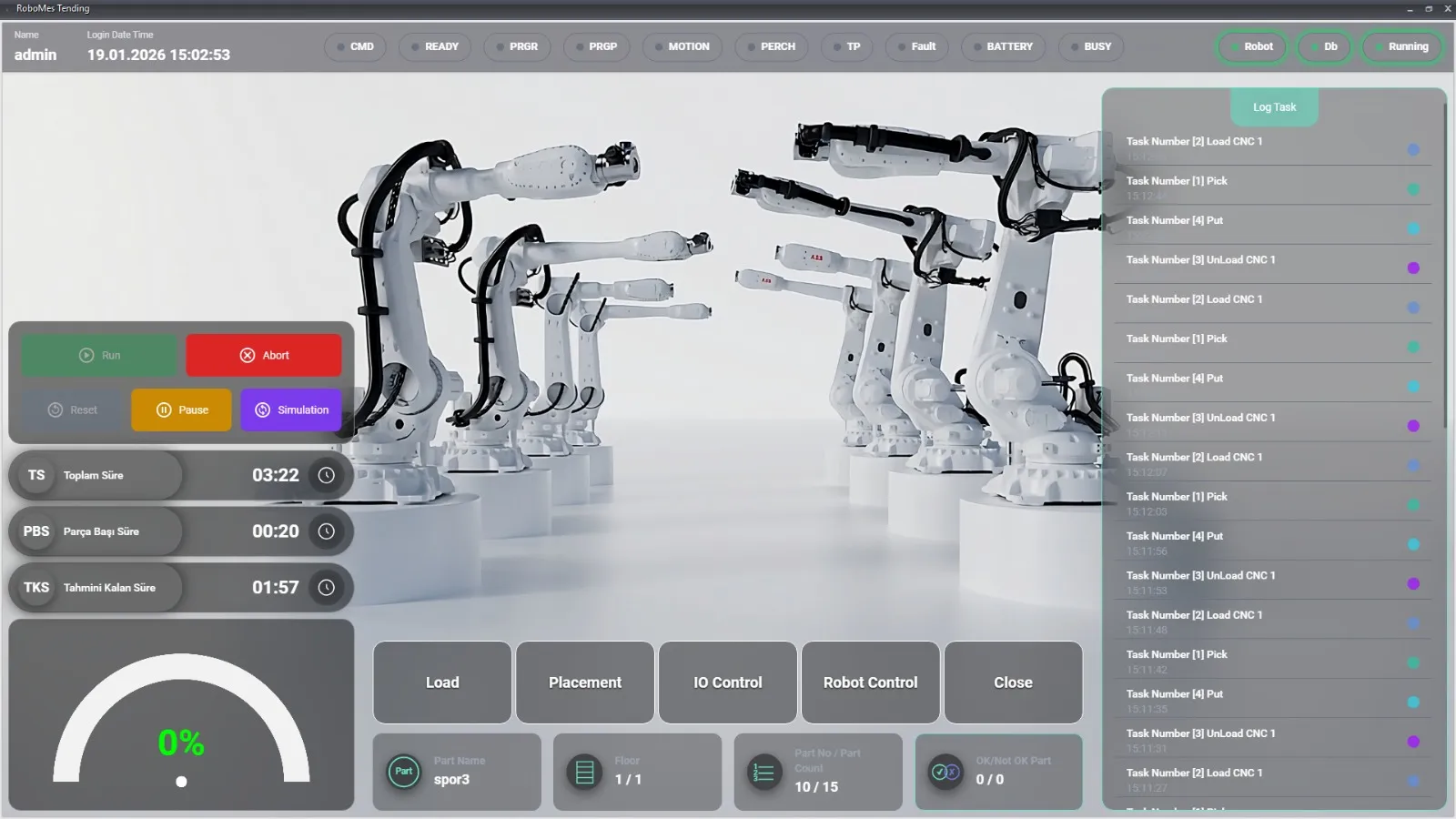
RoboMES is a flexible automation software that manages robotic part feeding and unloading processes for CNC machines. It manages part definition, fixture placement, workflows, and system control through a single platform. It makes CNC tending applications fast, safe, and repeatable without requiring robot programming knowledge.
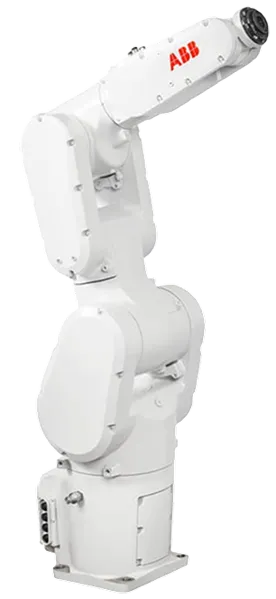
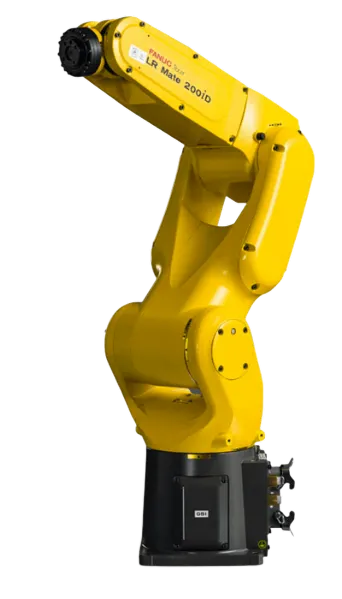
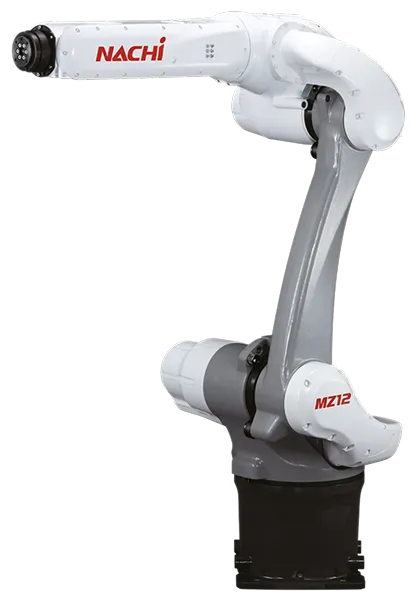
Seamless Integration With




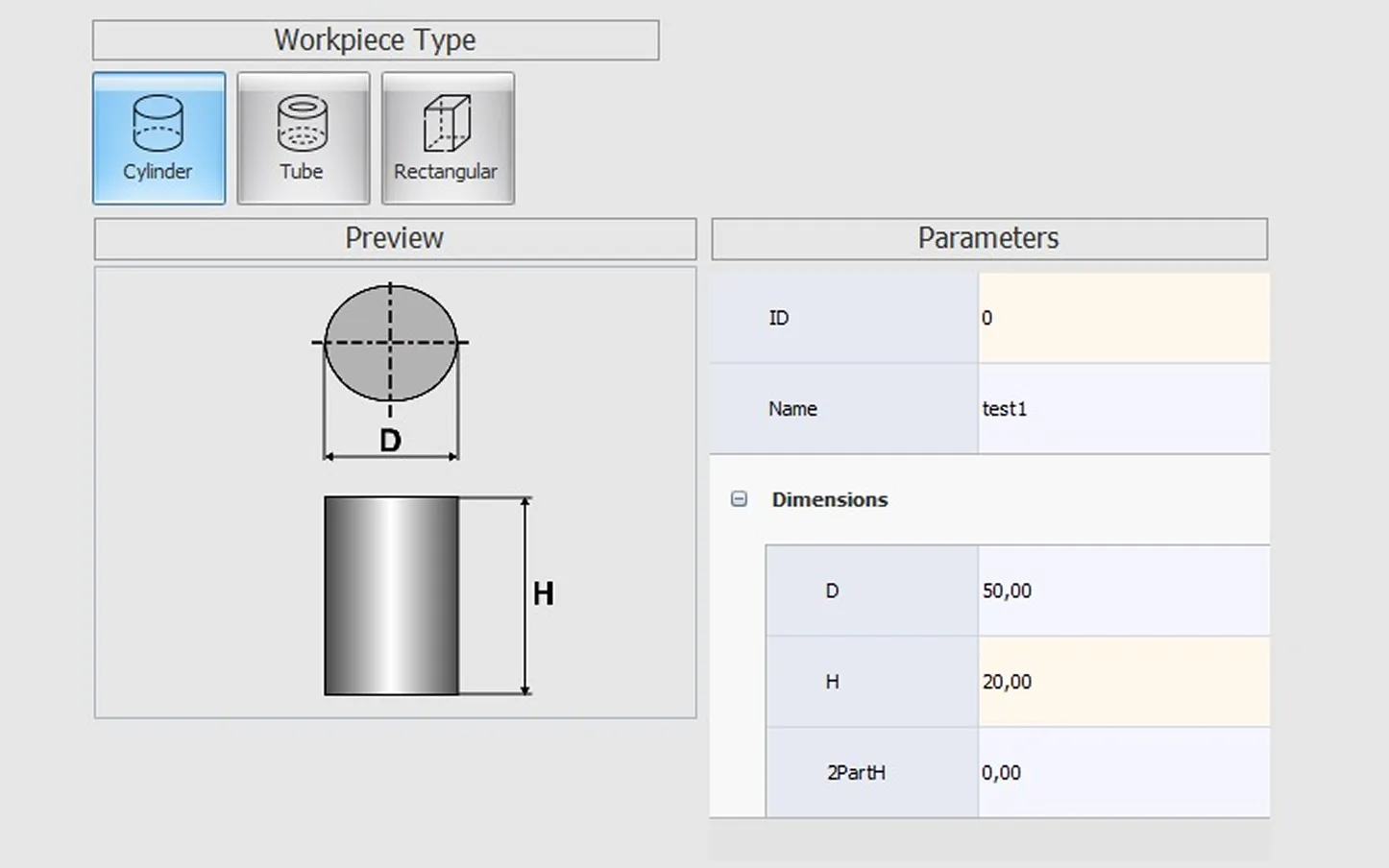
Part Types and Definitions
Clear and Repeatable Definition for Each Part
Parts to be processed in RoboMES are defined with ID, dimensions, geometric features, and process information.
Different part types can be managed separately in the system, and flexible production can be carried out on the same line.
This structure ensures rapid adaptation in part changes and a standard working order.
Fixture Placement
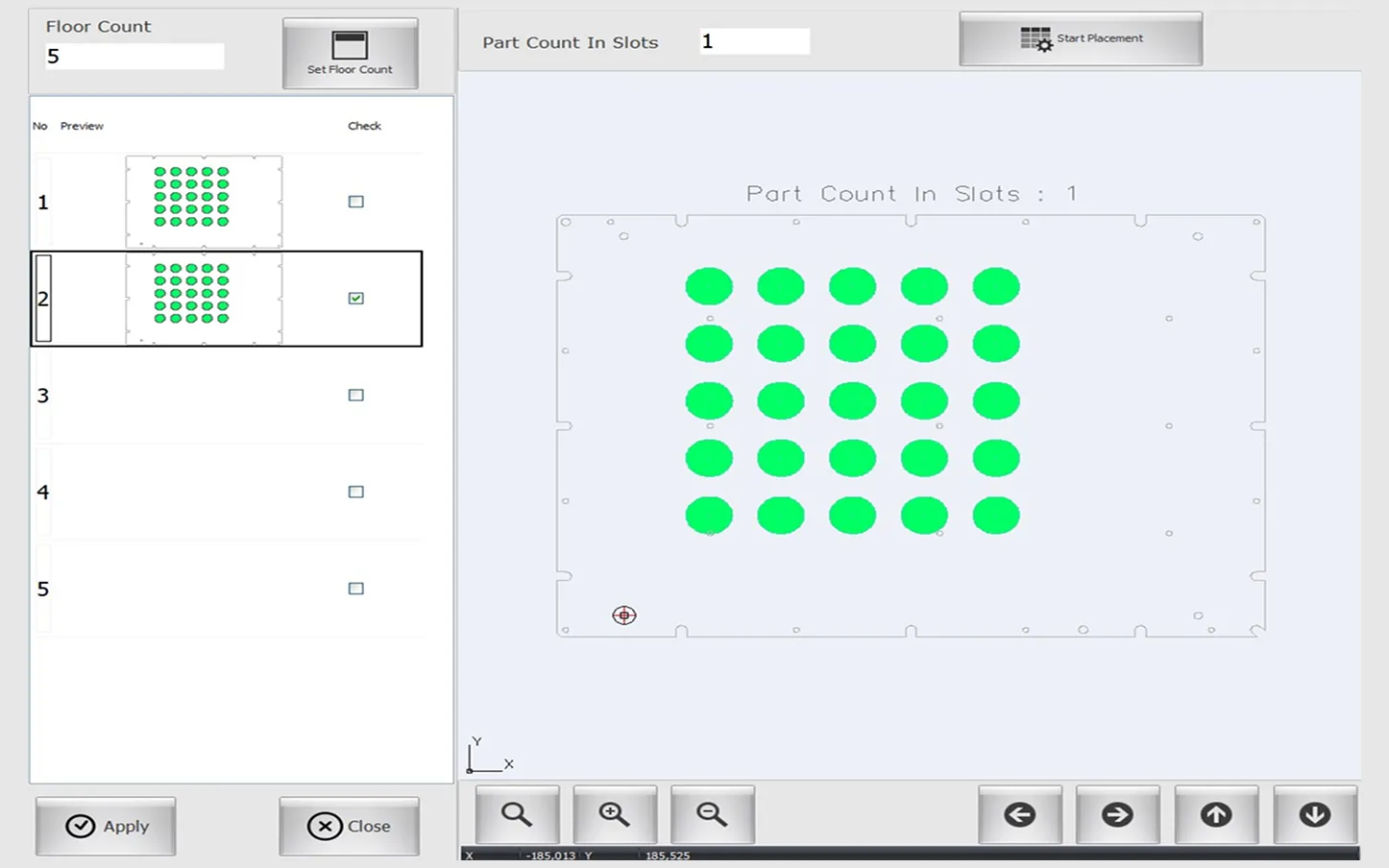
DXF Based Automatic Placement
Part layouts can be automatically detected via DXF files or created manually with a matrix structure.
RoboMES calculates the positions of the parts on the fixture or table and determines the robot's Pick & Place points.
This shortens setup time and eliminates placement errors.
Flows and Capabilities
Flexible and Scenario-Based CNC Tending Flows
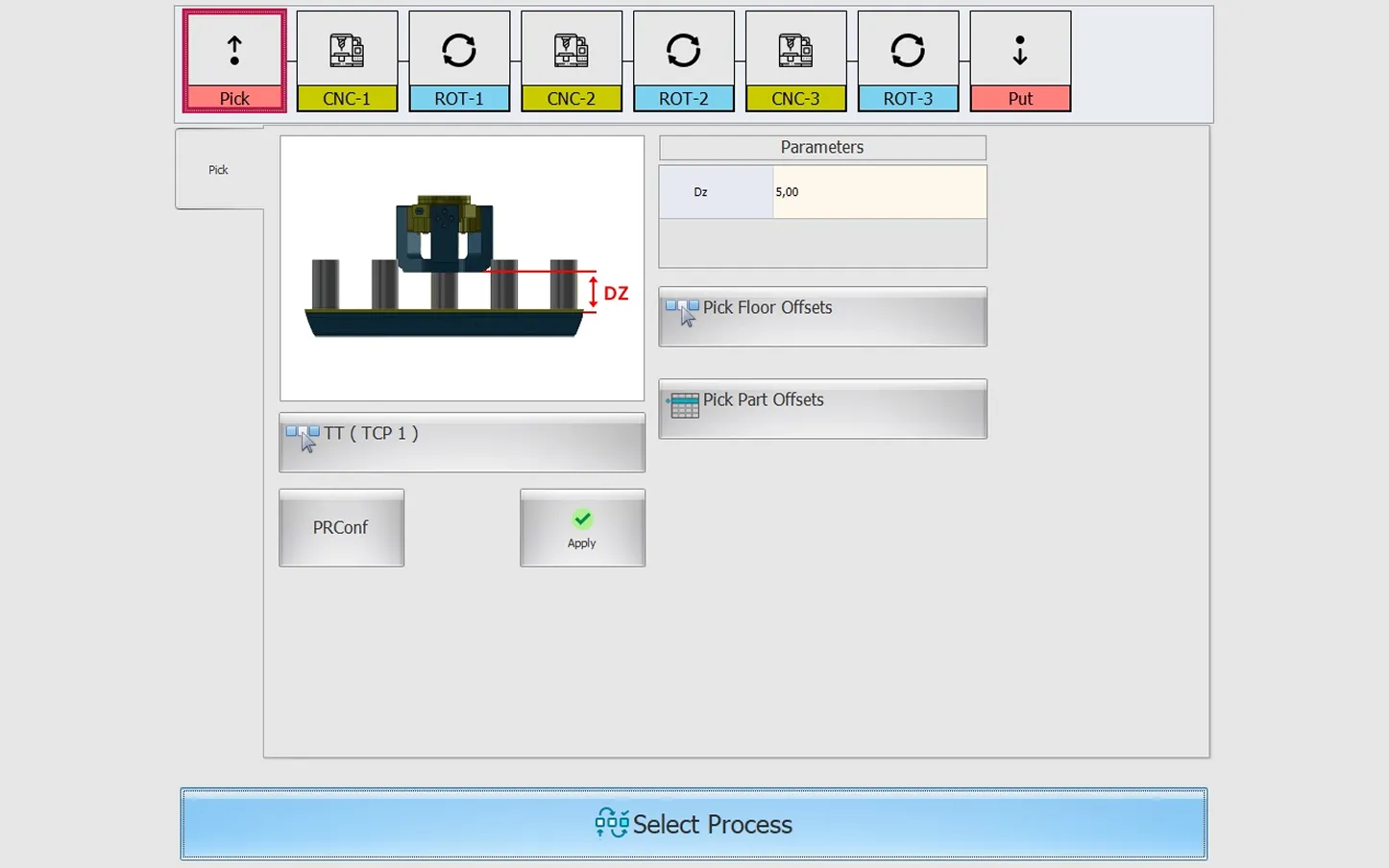
RoboMES defines which stations the part will go to and in what order on a flow basis.
Parallel CNCs, rotary stations, measurement points, and additional process steps can be easily added to the system.
Complex production scenarios are managed simply thanks to offset management, station definitions, and task sequences.
Remote Monitoring
Instant Monitoring and System Control
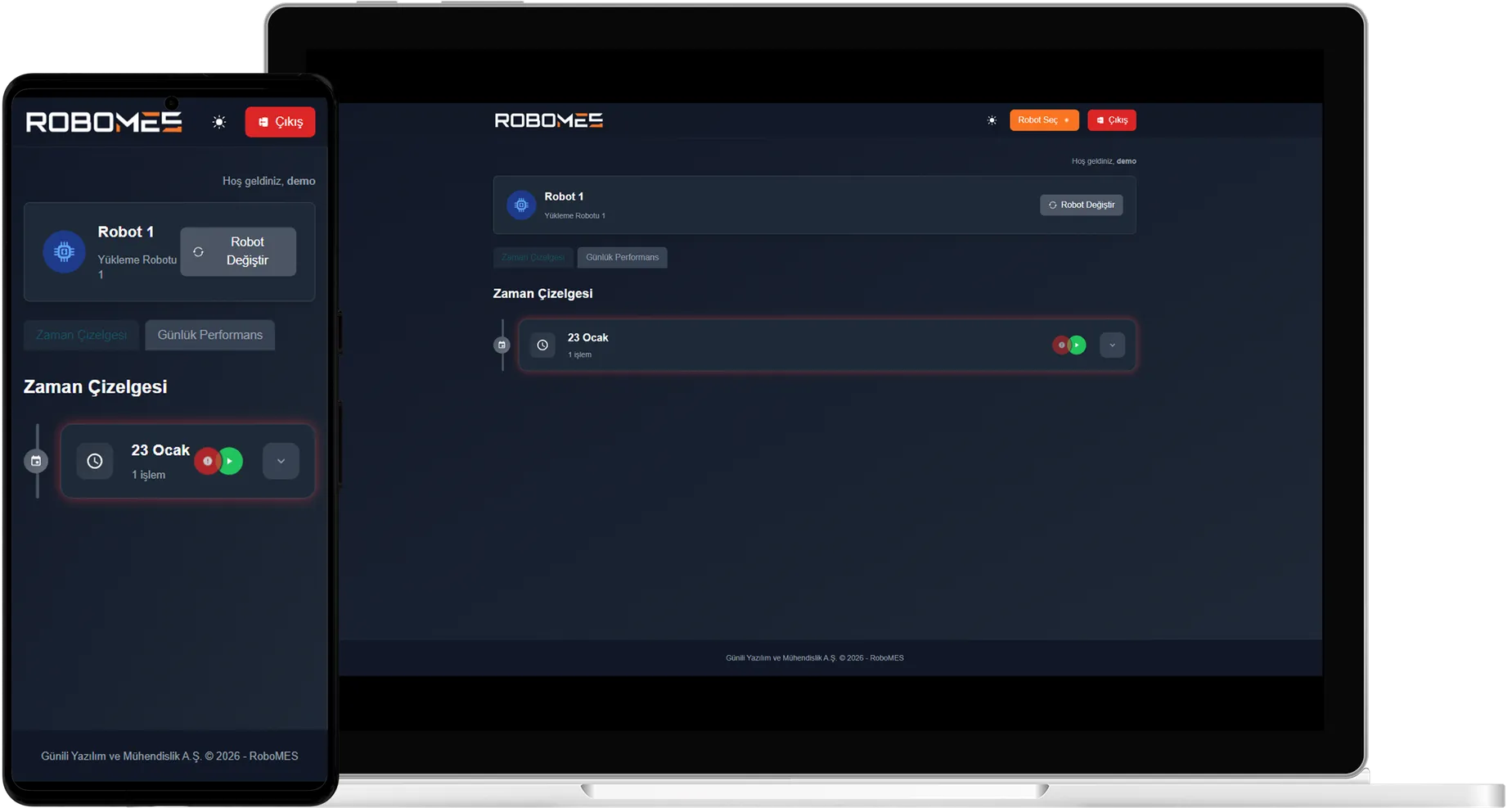
RoboMES offers the opportunity to distantly monitor running flows and system status.
Active tasks, part positions, and basic signals can be monitored; the operating status of the system is displayed instantly.
In this way, the operation can be mastered without being in the field.
Offset Addition for Each Layer, Part, and Defined Positions
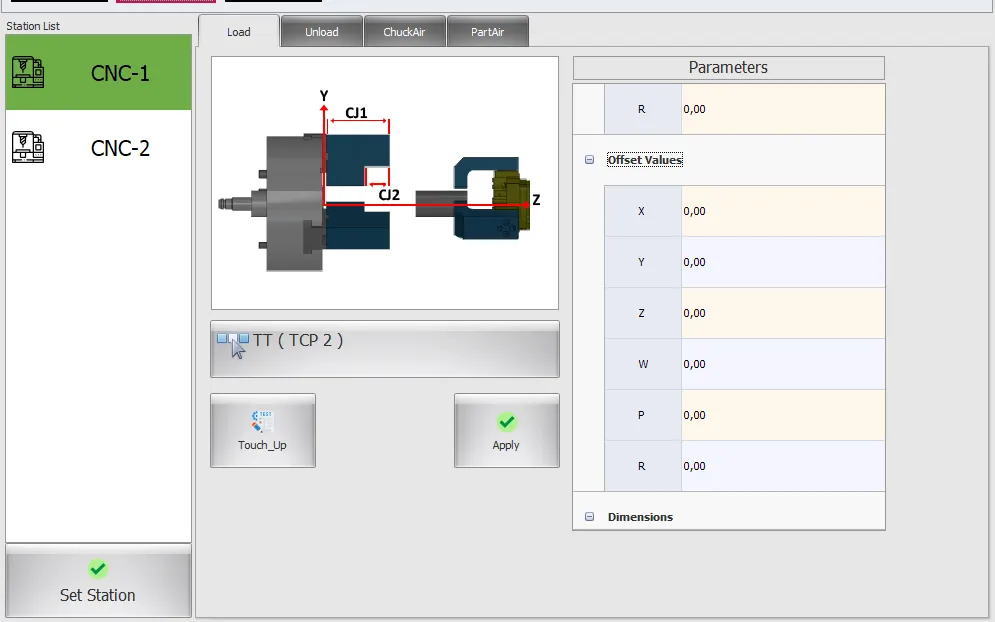
Flexible Offset Management for Precise Adjustments
RoboMES offers flexible offset management for all precise adjustments needed during production. Offsets can be defined separately for each layer, part, or defined position. This allows machine tolerances, fixture differences, or process-related deviations to be quickly compensated. Offset changes are applied without disrupting the production flow.
Layer-based, part-based, and position-based offset definition
Easy compensation for machine tolerances and fixture differences
Instant offset application without disrupting production flow
Working with Multi-Layer and Stacked Parts
Advanced Layer Management for Serial Production
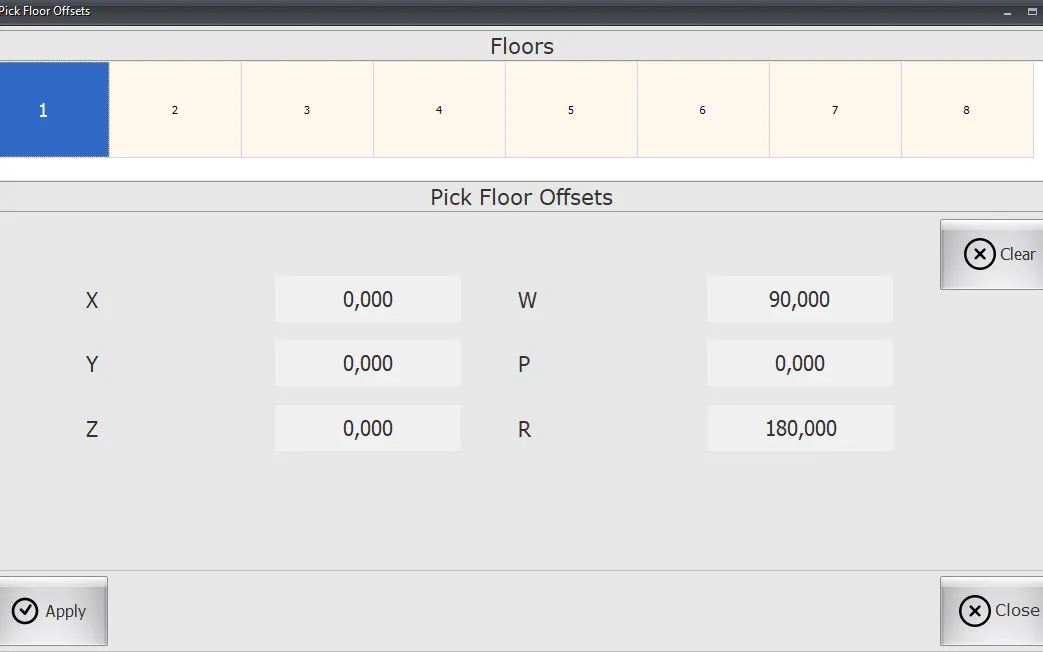
RoboMES supports working with multi-layer arrangements and stacked parts. Users can easily select how many layers to work with and choose all parts in the layers or only specific parts. Push or pull tasks can be sent to layers when needed. This structure provides significant time savings, especially in serial production applications.
Multi-layer arrangement support and flexible layer selection
Layer-based or part-based working options
Layer management with push and pull tasks
Creating Your Own Flow with Scripts
Flexible Flow Design for Custom Scenarios
RoboMES comes with many flows built-in, but for custom applications outside these scenarios, it offers script-based flow creation. Users can define flows with scripts according to their own production logic. This allows custom processes, conditional movements, and different production scenarios to be easily integrated into the system.
Script-based custom flow creation
Conditional movements and custom processes
Flexible integration according to production logic
Station and Gripper Definition
Easy Setup with Flexible Configuration
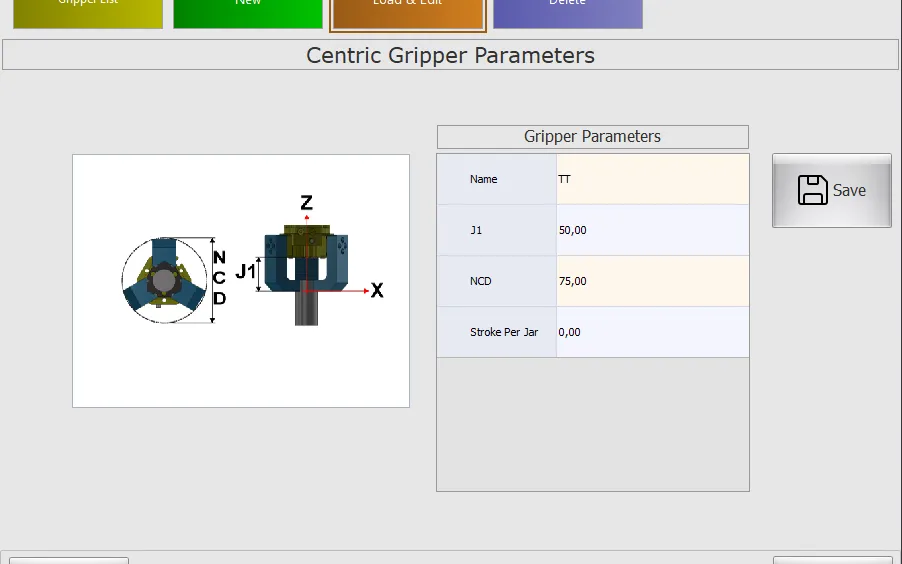
Stations can be defined by type, pick and place points, and task numbers. Grippers can be added based on size and working type. Positions are calculated by RoboMES by entering dimension information through the system without defining TCP to the robot.
Station type, pick/place points, and task number definition
Configuration based on gripper size and working type
Automatic position calculation through system without TCP definition
Ready to Digitize Your Production Processes?
Transform your business into the factory of the future with RoboMES. Our expert team is ready to provide you with customized solutions.
Contact Us